
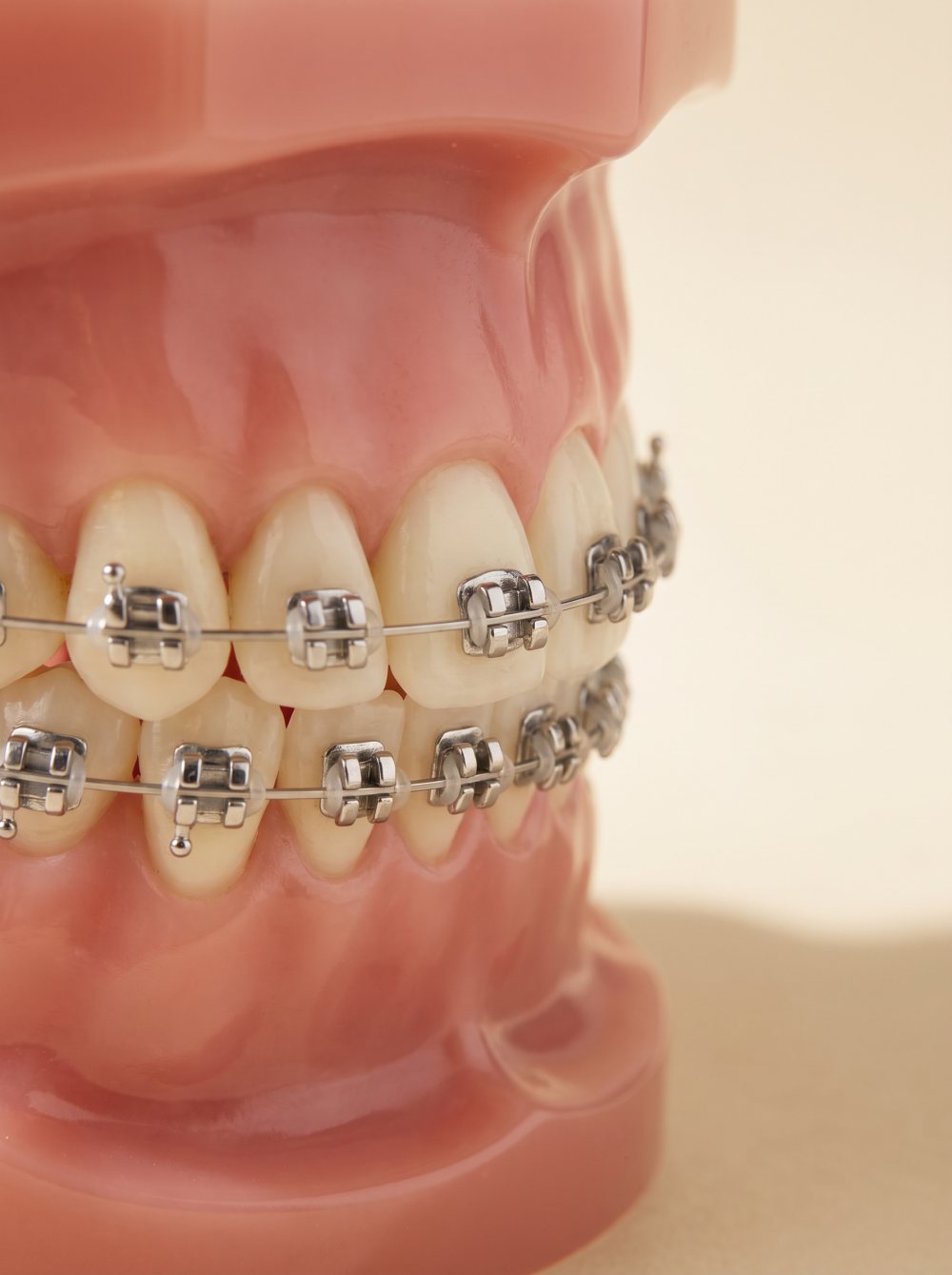
Is it right for you?
When braces
are a good fit
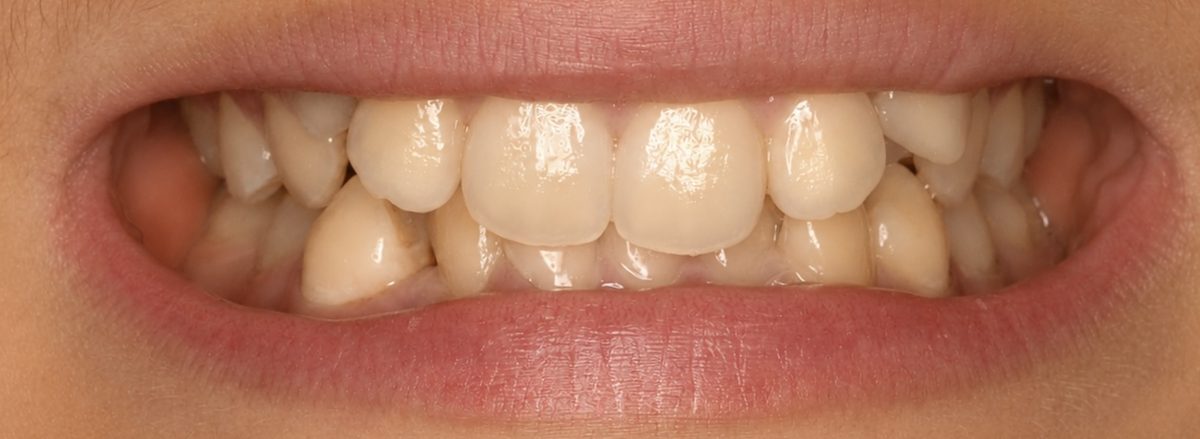
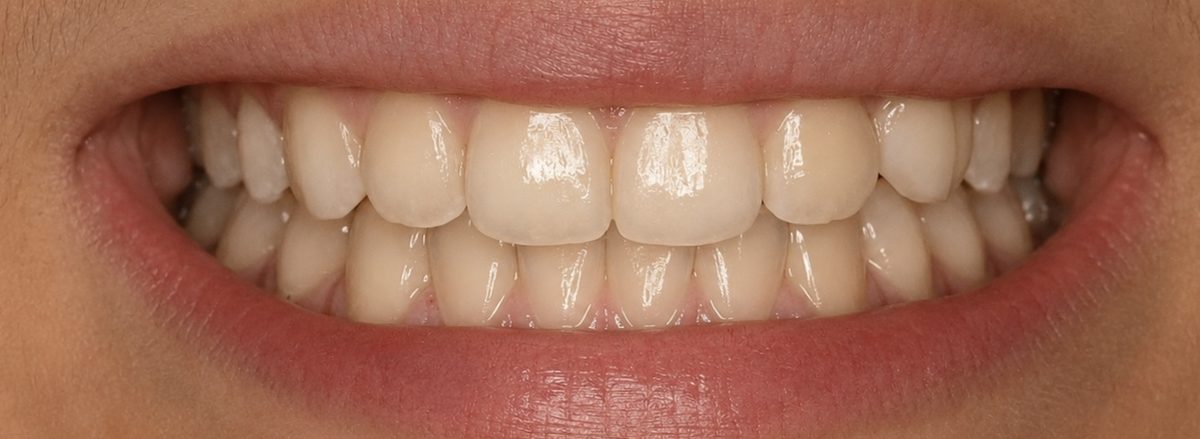
A real result
Before and after braces
Your options
Braces or clear aligners?
| Compare | Clear aligners | Metal braces |
|---|---|---|
| How they look | Clear and hard to notice | Visible metal brackets and wire |
| Removable? | Yes, you take them out to eat and brush | No, they stay on until treatment ends |
| Wearing them | About 22 hours a day, which is up to you | Working all the time, with nothing to remember |
| Eating | Eat what you like with aligners out | Avoid hard, sticky and chewy foods |
| Cleaning | Brush as normal, and clean the aligners | Extra care around brackets, with small brushes |
| Best suited to | Mild to moderate crowding, spacing and bite problems | Everything from simple to more complex cases |
Your journey
What treatment involves
After braces
Keeping your
teeth straight
- Fixed retainers A thin wire bonded behind your front teeth, which you can’t see from the front.
- Wearing them long term We’ll tell you how often to wear your retainers. For most people, it’s for the long term.
- Removable retainers Clear retainers made from a scan of your new smile, usually worn at night.
- Checking in We’ll check your retainers at your regular appointments.
Risks and limitations
What to consider
- Teeth feel sore for a few days after fitting and adjustments
- Brackets can rub and cause ulcers at first, which orthodontic wax helps with
- Decay or white marks can form around brackets if cleaning isn’t thorough
- A small amount of root shortening can occur, usually without any effect on the teeth
- Teeth will drift back without retainers
Any surgical or invasive procedure carries risks. We’ll talk through the ones that apply to you before anything goes ahead, and you’re always welcome to get a second opinion.
Costs
Questions
Your questions, answered
Still wondering about something? Give us a call on 09 570 2823 or email reception@classicsdental.com, and we’ll get back to you.
How long will I need braces?
Do braces hurt?
How often will I need appointments?
Usually every 6 to 8 weeks, so we can adjust your braces and check your progress.
Will I need teeth taken out?
Can I play sport or a musical instrument?
Are you orthodontists?
You might also be interested in
Orthodontics
Clear alignersDiscreet, removable aligners planned in 3D. We offer Spark and Invisalign, and we’re a Pinnacle Spark provider.
Orthodontics
InvisalignInvisalign® clear aligners, planned from a 3D scan taken here.
Orthodontics
Braces for kidsAn early check from age 7, and braces once the adult teeth are through.
Ready when you are
We'd love to see you